Reviews Electronics Smartwatches & Wearables
Skip the $400 smartwatch: these 5 fitness trackers cover what most people need
Slim bands and simple watches from Fitbit, Garmin and Apple that track steps, sleep and workouts without overcomplicating things.
 BuyWithVoltTop Pick2026
A fitness tracker should make healthy habits easier without adding another screen to manage. Many people buy an expensive smartwatch, then end up using it only for steps, sleep and the occasional workout. A good tracker does those jobs well, lasts days on a charge and costs far less.
We compared 14 fitness trackers and fitness-focused watches sold in the US. We researched sensors, battery claims and subscription costs, read independent reviews and owner feedback on comfort and app quality, and looked at how each fits into iPhone and Android life. Five picks cover most needs, from a budget band to a GPS running watch.
Our top picks
-
Best fitness tracker overall
Fitbit Charge 6
$159 at AmazonJump to details -
Best budget fitness tracker
Fitbit Inspire 3
$99 at AmazonJump to details -
Best without a subscription
Garmin Vivosmart 5
$149 at AmazonJump to details -
Best for runners
Garmin Forerunner 55
$199 at AmazonJump to details -
Best for iPhone owners
Apple Watch SE 3
$249 at Best BuyJump to details
Prices at time of writing and may change. We may earn a commission when you buy through these links.
Best fitness tracker overall

The Fitbit Charge 6 does almost everything most people want from a tracker in a light, comfortable band. It tracks steps, heart rate, sleep and dozens of workouts, and built-in GPS means you can leave your phone at home on runs. Owners like the bright color screen, the return of a physical button and Google Maps and Wallet support on the wrist. Battery life stretches several days in typical use. The weak spot is the subscription: Fitbit Premium unlocks deeper insights, and Google keeps some features behind it. Even without paying, the Charge 6 covers the essentials very well.
Pros
- Built-in GPS
- Comfortable, slim design
- Google Wallet and Maps
Cons
- Some insights need Fitbit Premium
- Small screen for reading texts
Specs
| Display | Color AMOLED |
|---|---|
| GPS | Built-in |
| Water resistance | Swimproof to 50m |
| Phone support | iPhone and Android |
Best budget fitness tracker
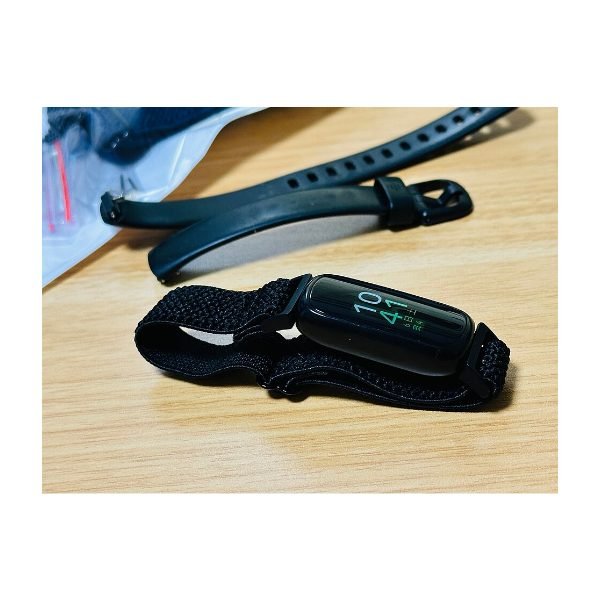
Photo: Tatsuo Yamashita / Wikimedia Commons, CC BY 4.0
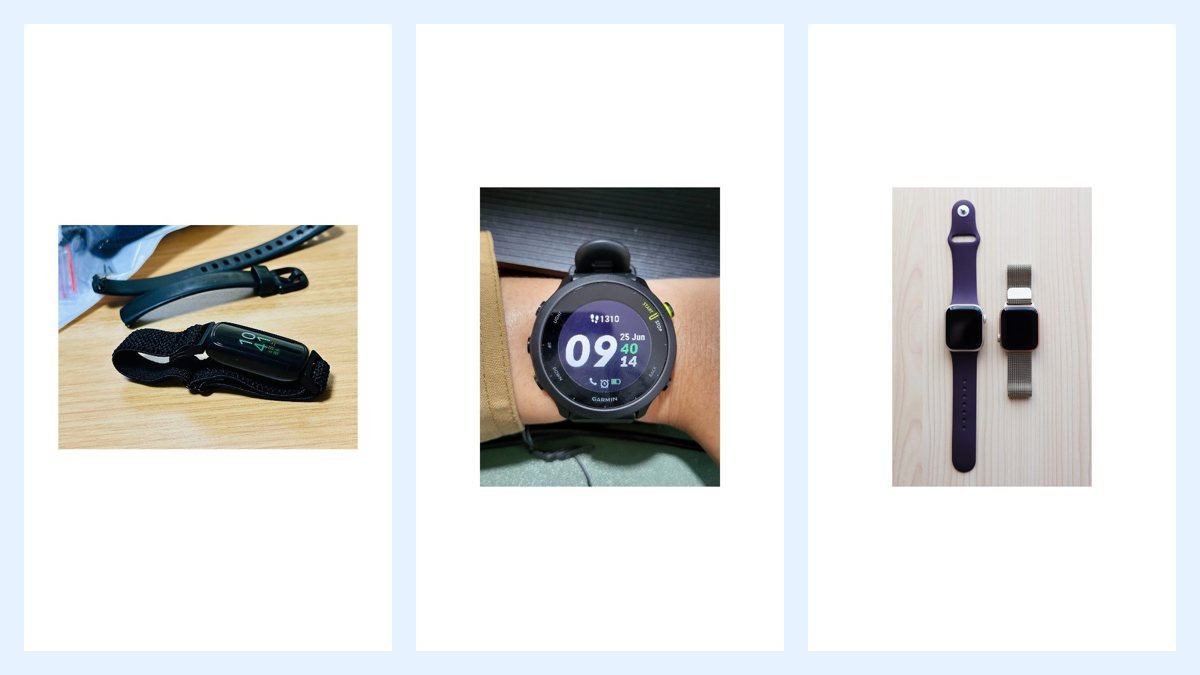
The Fitbit Inspire 3 is the tracker for people who want the basics and nothing else. It's light enough to forget you're wearing it, which makes it great for sleep tracking, and battery life runs well beyond a week in many owner reports. The color screen shows steps, heart rate and notifications, and the Fitbit app remains one of the easiest to understand. There's no built-in GPS, so it borrows location from your phone for outdoor workouts. The small screen also limits what you can see at a glance. For a first tracker or a gift, it's an easy recommendation.
Pros
- Very light and comfortable
- Long battery life
- Easy-to-use app
Cons
- No built-in GPS
- Small screen
Specs
| Display | Color AMOLED |
|---|---|
| GPS | Uses phone |
| Water resistance | Swimproof to 50m |
| Phone support | iPhone and Android |
Best without a subscription

If paying for a subscription bothers you, the Garmin Vivosmart 5 is the answer. Every metric lives in the free Garmin Connect app, including sleep scores, stress tracking and Garmin's Body Battery energy estimate. It's comfortable, the screen is easy to read, and battery life lasts around a week for many owners. The band is simple to swap, which helps it last. Like the Inspire 3, it relies on your phone for GPS, and its monochrome screen looks dated next to Fitbit's color displays. But for data you own without recurring fees, it's a great value.
Pros
- No subscription needed
- Detailed sleep and stress data
- Week-long battery
Cons
- No built-in GPS
- Monochrome screen
Specs
| Display | Monochrome OLED |
|---|---|
| GPS | Uses phone |
| App | Garmin Connect (free) |
| Phone support | iPhone and Android |
Best for runners
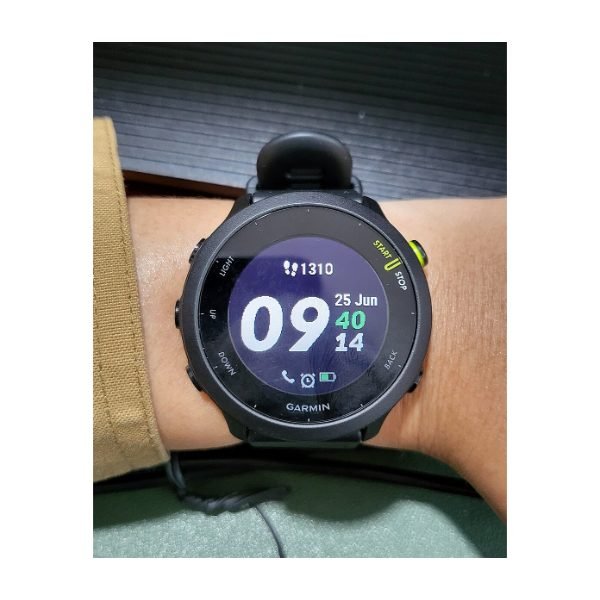
Photo: Melyanac / Wikimedia Commons, CC0
The Forerunner 55 is a favorite among reviewers for new and casual runners. Its built-in GPS is dependable for pace and distance, and Garmin's daily suggested workouts adjust based on your recovery. It also tracks cycling, swimming and more, plus sleep and stress. Battery life is long enough that many owners only charge it once or twice a week. The five-button design is simple to use with sweaty fingers. It isn't a smartwatch: you won't get apps, payments or a fancy touchscreen. If running is your main goal, though, it does the job reliably for less than most GPS watches.
Pros
- Reliable built-in GPS
- Daily suggested workouts
- Long battery life
Cons
- Basic screen
- Few smartwatch features
Specs
| GPS | Built-in |
|---|---|
| Controls | Five buttons |
| App | Garmin Connect (free) |
| Phone support | iPhone and Android |
Best for iPhone owners
Photo: MIKI Yoshihito / Wikimedia Commons, CC BY 2.0
If you have an iPhone and want both fitness tracking and smartwatch features, the Apple Watch SE 3 is the value pick. It tracks workouts with built-in GPS, closes Apple's activity rings, monitors sleep and offers crash and fall detection. It also handles texts, calls, Apple Pay and thousands of apps. Owners love how it fits into iPhone life. The big trade-off is battery: you'll charge it about every day, much more often than a band. It doesn't work with Android phones. For iPhone users, though, it's more capable than any band on this list.
Pros
- Full smartwatch features
- Built-in GPS
- Crash and fall detection
Cons
- Needs charging about daily
- iPhone only
Specs
| Sizes | 40mm and 44mm |
|---|---|
| GPS | Built-in |
| Safety | Crash and fall detection |
| Phone support | iPhone only |
How we chose
We compared 14 trackers and fitness watches from established brands with mature apps. We researched sensors, GPS, water resistance and battery claims, then read independent reviews for real-world accuracy and comfort. Owner feedback on retailer sites helped us spot common problems like bands breaking, sync issues and battery fade. We weighed ongoing costs too, since subscriptions can add up over the life of a tracker.
What to look for when buying a fitness tracker
- Built-in GPS: Useful if you run or cycle without your phone. Otherwise, phone-connected GPS is fine.
- Battery life: Bands usually last days or more. Smartwatches often need daily charging.
- Subscriptions: Check which features are free. Garmin includes everything. Fitbit keeps some insights behind Premium.
- Phone compatibility: Apple Watch needs an iPhone. Fitbit and Garmin work with both.
- Comfort: If you'll wear it to bed, choose something slim and light.
Pair your tracker with good gear: our picks for running shoes and adjustable dumbbells round out a home and outdoor routine.
Frequently asked questions
Are fitness trackers accurate?
They are good at spotting trends in steps, heart rate and sleep over time. Single readings can be off, so focus on weekly patterns rather than one number.
Do I need a subscription for a fitness tracker?
No. Garmin includes all data for free. Fitbit works without Premium, though some deeper insights require it.
Fitness tracker or smartwatch?
Choose a tracker for long battery life and simplicity. Choose a smartwatch if you want apps, payments and calls on your wrist and don't mind charging often.