Reviews Fashion Shoes & Sneakers
Skip the $250 super shoes: these 5 running shoes cover almost every runner for less
We compared 25 popular running shoes on cushioning, stability, weight and value. These five handle easy miles, long runs and speed days.
 BuyWithVoltTop Pick2026
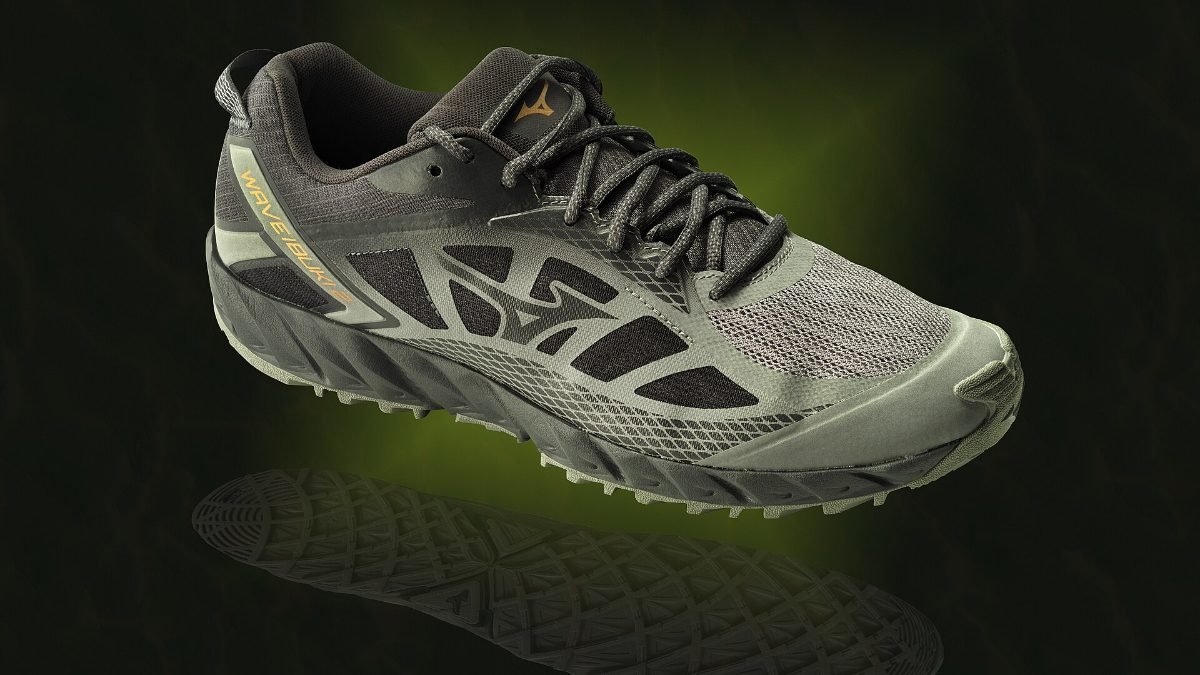
Photo: Petar Milošević / Wikimedia Commons, CC BY-SA 4.0
Walk into a running store and you'll face a wall of shoes that look nearly identical and cost $140 to $250. Carbon-plated race shoes grab headlines, but most runners spend most of their miles at an easy pace, where comfort and consistency matter far more than shaving seconds.
We compared 25 widely available running shoes from Brooks, Hoka, Saucony, Asics and New Balance. We looked at cushioning, stability features, weight, heel-to-toe drop and price, and analyzed owner feedback and independent reviews to see how each shoe holds up over hundreds of miles. These five cover the needs of most runners, from first 5K to marathon training.
Our top picks
-
Best running shoe overall
Brooks Ghost 16
$140 at AmazonJump to details -
Best cushioned running shoe
Hoka Clifton 10
$145 at HokaJump to details -
Best stability running shoe
Brooks Adrenaline GTS 24
$140 at AmazonJump to details -
Best for speed workouts
Saucony Endorphin Speed 4
$170 at SauconyJump to details -
Best budget running shoe
Asics Gel-Excite 10
$75 at AmazonJump to details
Prices at time of writing and may change. We may earn a commission when you buy through these links.
Best running shoe overall
The Ghost is one of the most popular running shoes in the US because it gets the basics right. The Ghost 16 has a soft but not mushy midsole, a smooth heel-to-toe transition and a comfortable, roomy upper. It works for easy runs, long runs and plenty of walking.
Owners consistently describe it as a shoe that disappears on foot, and Brooks offers it in narrow, wide and extra-wide sizes. Because new versions arrive regularly, the Ghost 16 is often discounted. The trade-off is that it feels unremarkable at faster paces. If you also walk a lot, see our best walking shoes.
Pros
- Comfortable, balanced ride
- Many width options
- Often on sale
Cons
- Not exciting at fast paces
- Average weight
Specs
| Drop | 12mm |
|---|---|
| Support | Neutral |
| Widths | Narrow to extra-wide |
| Use | Daily training |
Best cushioned running shoe
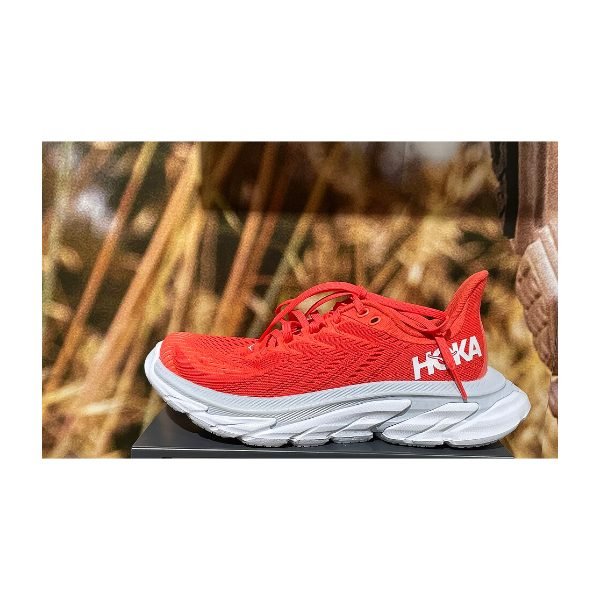
Photo: Ssu / Wikimedia Commons, CC BY-SA 4.0
The Clifton has been Hoka's best-known everyday trainer for years. It pairs a tall, soft midsole with a surprisingly light build, which owners say helps legs feel fresher at the end of long runs. Hoka's rocker shape helps the foot roll through each stride.
The Clifton 10 adds a bit more cushion and a higher drop than earlier versions, which many heel strikers appreciate. Wide sizes are available. The trade-offs are durability on the exposed foam outsole and a ride that some runners find too soft for faster workouts.
Pros
- Plush, light cushioning
- Smooth rocker ride
- Wide sizes available
Cons
- Outsole foam wears faster
- Too soft for some at speed
Specs
| Drop | 8mm |
|---|---|
| Support | Neutral |
| Shape | Rocker geometry |
| Use | Daily and long runs |
Best stability running shoe
The Adrenaline GTS is the go-to stability shoe for many runners who overpronate, or roll their feet inward. Instead of a hard post under the arch, Brooks uses GuideRails on both sides of the heel to keep the foot and knee moving in line, which feels less intrusive than older stability designs.
The GTS 24 has a softer midsole than past versions, and owners say it feels comfortable from the first run. It comes in several widths. The trade-off is weight compared with neutral shoes, and it's not the right pick for runners who don't need extra support.
Pros
- Gentle, effective support
- Comfortable cushioning
- Multiple widths
Cons
- Heavier than neutral shoes
- Unnecessary for neutral runners
Specs
| Drop | 12mm |
|---|---|
| Support | Stability (GuideRails) |
| Widths | Narrow to extra-wide |
| Use | Daily training |
Best for speed workouts
The Endorphin Speed is a favorite among reviewers because it brings much of the energy of a race shoe to everyday training. Its PWRRUN PB foam is light and springy, and a flexible nylon plate adds snap without the harsh feel of carbon.
Many runners use it for tempo runs, intervals and even marathons. Owners like how versatile it is. The trade-offs are price and stability: the bouncy foam can feel less steady on tight corners, and it's more shoe than beginners need. Speed up recovery after hard sessions with one of our best massage guns.
Pros
- Light and bouncy
- Versatile for training and racing
- Durable for a plated shoe
Cons
- Expensive
- Less stable on corners
Specs
| Drop | 8mm |
|---|---|
| Plate | Nylon |
| Foam | PWRRUN PB |
| Use | Tempo, intervals, racing |
Best budget running shoe
You don't need to spend $140 to start running. The Gel-Excite 10 offers cushioning, a breathable mesh upper and Asics' rearfoot gel unit at roughly half the price of flagship trainers. It's a solid choice for new runners doing a few miles a week, gym sessions and walking.
Owners praise the comfortable fit and value, and it's frequently discounted. The trade-offs are a firmer, heavier ride than premium trainers and less durability for high-mileage training. If you're building to longer distances, upgrade to the Ghost or Clifton. Track your progress with one of our best fitness trackers.
Pros
- Low price
- Comfortable for beginners
- Breathable upper
Cons
- Heavier and firmer
- Not for high mileage
Specs
| Support | Neutral |
|---|---|
| Cushioning | Foam with rear gel unit |
| Upper | Engineered mesh |
| Use | Beginners, gym, casual runs |
How we chose
We compared 25 running shoes from major brands, focusing on daily trainers most runners will use for the bulk of their miles. We weighed cushioning, support type, heel-to-toe drop, weight, width options and price. We analyzed owner feedback and independent reviews for comfort, fit consistency and durability, and checked price history so you know when older versions go on sale. We skipped pricey carbon race shoes because most runners don't need them.
What to look for when buying running shoes
Neutral or stability
Most runners do well in neutral shoes. If your ankles roll inward or your shoes wear heavily on the inside edge, try a stability shoe.
Cushioning
Max-cushioned shoes protect legs on long runs. Firmer shoes feel more responsive and stable.
Drop
Higher drops (10 to 12mm) ease strain on calves. Lower drops suit midfoot strikers.
Fit
Leave a thumb's width at the toe, and make sure the heel feels secure. Buy from a store with a good return policy.
Replacement
Plan on new shoes every 300 to 500 miles. This is general guidance; see a professional for ongoing pain.
Frequently asked questions
Should I buy the newest version of a running shoe?
Not always. When a new version launches, the previous model is often discounted, and changes between versions are frequently small.
Do I need a gait analysis?
It can help, especially if you've had injuries. Many running stores offer a quick analysis for free. Comfort when you try the shoe on is still the best guide.
Can I run in walking shoes?
For short, easy runs, probably. Running shoes are lighter and designed for the higher impact of running, so they're better for regular training.