Your phone is good, but these 5 vlogging cameras are better for less than you'd think
Cameras that make vlogging easier, from a pocket-size gimbal camera to an interchangeable-lens Sony, chosen for stabilization, audio and ease of use.
 BuyWithVoltTop Pick2026
Photo: Nulcheck / Wikimedia Commons, CC BY-SA 4.0
Phones shoot great video, but vlogging pushes them hard. Holding a phone at arm's length gives shaky footage, the front camera is weaker than the rear, and long recordings drain your battery and storage. A dedicated vlogging camera fixes those problems with better stabilization, flip-out screens and mic inputs.
We compared 15 cameras popular with creators, from pocket gimbals to mirrorless models. We researched sensor size, stabilization, audio options and video specs, read independent reviews and creator feedback, and looked at how easy each is to use solo. Five cameras stand out for travel vlogs, talking-head videos and action.
Our top picks
-
Best vlogging camera overall
DJI Osmo Pocket 3
$519 at AmazonJump to details -
Best compact vlogging camera
Sony ZV-1 II
$899 at AmazonJump to details -
Best interchangeable-lens vlogging camera
Sony ZV-E10 II
$1,099 at Best BuyJump to details -
Best for action and travel
GoPro HERO13 Black
$399 at AmazonJump to details -
Best for beginners
Canon PowerShot V10
$429 at AmazonJump to details
Prices at time of writing and may change. We may earn a commission when you buy through these links.
Best vlogging camera overall
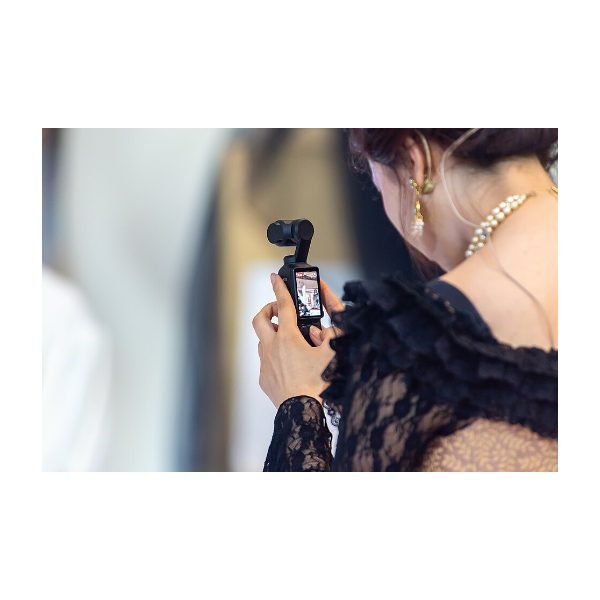
Photo: N509FZ / Wikimedia Commons, CC BY-SA 4.0
The DJI Osmo Pocket 3 is the vlogging camera reviewers and creators talk about most. A built-in three-axis gimbal keeps footage silky smooth while walking, and the 1-inch sensor handles low light far better than older pocket cameras. The 2-inch rotating screen flips from vertical to horizontal, and face tracking keeps you in frame. It records 4K video and works well with DJI's wireless mics. It's small enough to carry everywhere. The trade-offs: it isn't waterproof, the gimbal needs gentle handling, and it can't swap lenses. For travel and daily vlogs, it's the easiest way to get great footage.
Pros
- Built-in gimbal stabilization
- 1-inch sensor for low light
- Rotating screen with face tracking
Cons
- Not waterproof
- Gimbal needs careful handling
Specs
| Sensor | 1-inch CMOS |
|---|---|
| Stabilization | 3-axis gimbal |
| Video | 4K |
| Screen | 2-inch rotating touchscreen |
Best compact vlogging camera

Sony designed the ZV-1 II specifically for vloggers. Its wide 18-50mm equivalent zoom lens makes it easier to fit yourself and your surroundings in the frame at arm's length. The 1-inch sensor delivers rich color, and Sony's autofocus reliably keeps faces sharp. Features like Product Showcase mode, a directional mic with a windscreen and a flip-out screen make solo shooting simple. It also takes good photos. Stabilization is weaker than the Osmo Pocket 3 when walking, and battery life is short, so carry spares. For sit-down videos and reviews, it's a superb compact choice.
Pros
- Wide zoom lens for vlogging
- Excellent autofocus
- Good built-in mic with windscreen
Cons
- Short battery life
- Weaker stabilization when walking
Specs
| Sensor | 1-inch |
|---|---|
| Lens | 18-50mm equivalent |
| Screen | Flip-out vari-angle |
| Audio | Built-in mic, 3.5mm input |
Best interchangeable-lens vlogging camera
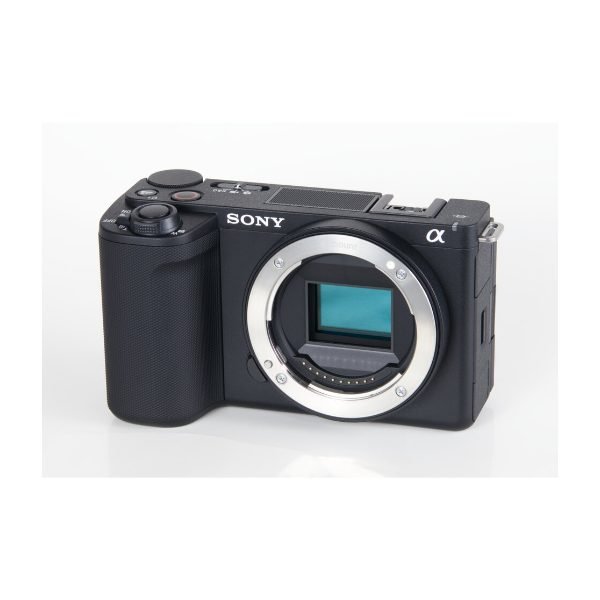
Photo: PJ / Wikimedia Commons, CC BY 4.0
The Sony ZV-E10 II is a step up for creators ready to grow. Its larger APS-C sensor gives better low-light performance and more background blur than compact cameras, and you can swap lenses for wide vlogging, portraits or zoom. It records 4K video and includes a flip-out screen, mic and headphone jacks, and Sony's strong autofocus. Reviewers highlight improved battery life over the original model. It's bigger than the other picks, there's no in-body stabilization, and good lenses add cost. For YouTube channels and serious creators, it's a flexible long-term camera.
Pros
- Large APS-C sensor
- Interchangeable lenses
- Mic and headphone jacks
Cons
- No in-body stabilization
- Lenses add to the cost
Specs
| Sensor | APS-C |
|---|---|
| Lens mount | Sony E-mount |
| Video | 4K |
| Audio | Mic and headphone jacks |
Best for action and travel

When your vlog involves surfing, biking, skiing or rain, the GoPro HERO13 Black is the tool for the job. It's waterproof without a case, and GoPro's HyperSmooth stabilization keeps bumpy footage steady. The front screen helps you frame yourself, and it records high-resolution video with plenty of slow-motion options. A range of mounts lets you attach it to helmets, bikes and chest harnesses. Low-light footage is weaker than on larger-sensor cameras, and the built-in mic picks up wind. For outdoor and action creators, though, nothing on this list is as tough.
Pros
- Waterproof without a case
- Excellent stabilization
- Huge mount ecosystem
Cons
- Weaker in low light
- Built-in mic struggles in wind
Specs
| Waterproof | Yes, without a housing |
|---|---|
| Stabilization | HyperSmooth |
| Screens | Front and rear |
| Mounting | GoPro mounting system |
Best for beginners
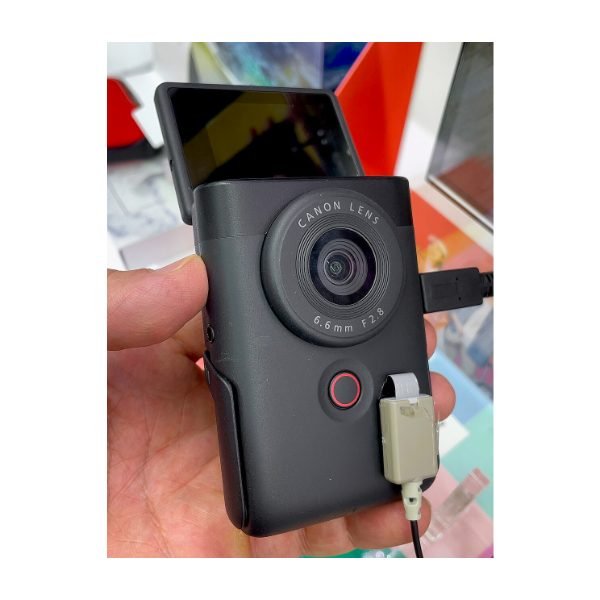
Photo: Kyu3 / Wikimedia Commons, CC BY-SA 4.0
The Canon PowerShot V10 is designed for people who want to hit record and go. Its pocketable, upright design has a built-in kickstand, so you can set it on a table for talking-head videos without a tripod. The 1-inch sensor and wide lens give better quality than most phones' front cameras, and the flip-up screen helps you frame shots. Stereo mics are built in. It doesn't have a gimbal, so walking footage is shakier than the Osmo Pocket 3, and there's no zoom. For first-time vloggers and simple social videos, it's an easy, friendly camera.
Pros
- Very easy to use
- Built-in stand
- 1-inch sensor
Cons
- No gimbal stabilization
- No optical zoom
Specs
| Sensor | 1-inch |
|---|---|
| Video | 4K |
| Screen | Flip-up |
| Stand | Built-in kickstand |
How we chose
We compared 15 cameras that creators most often use and recommend for vlogging. We researched sensor sizes, stabilization systems, autofocus and audio inputs, then read independent reviews and creator feedback on image quality, ease of use and battery life. We gave extra weight to features that matter when you're filming yourself: a screen you can see, reliable face tracking and good built-in or add-on audio.
What to look for when buying a vlogging camera
- Stabilization: Gimbals and strong electronic stabilization make walking shots watchable.
- Flip screen: You need to see yourself to frame shots.
- Audio: A mic input or wireless mic support improves sound more than any camera upgrade.
- Sensor size: Larger sensors handle low light and background blur better.
- Battery: Carry spares or a power bank for long shoots.
Editing your footage? See our best laptops for students for affordable machines that can handle video. Travel vloggers will also want a good bag from our everyday backpacks guide, and creators on your gift list will appreciate ideas from our holiday gift guide.
Frequently asked questions
Is a vlogging camera better than a phone?
For many creators, yes. Vlogging cameras offer better stabilization, larger sensors for low light and easier audio upgrades. Phones are still great for quick clips.
Do I need an external microphone?
Not to start, but good audio makes a big difference. A small wireless mic is often the best upgrade after the camera.
What's the easiest vlogging camera to use?
The DJI Osmo Pocket 3 and Canon PowerShot V10 are the simplest. Both work well with minimal setup.