Reviews Electronics Smartphones & Tablets
You don't need a $1,000 phone. We compared 16 budget models and these 5 stand out
From a $199 Samsung to the cheapest new iPhone, these affordable phones get the basics right and keep getting updates for years.
 BuyWithVoltTop Pick2026
Photo: Skitterphoto / Wikimedia Commons, CC0
Flagship phones now cost well over $1,000, and most people never use half of what that money buys. A good budget phone handles messages, maps, photos and streaming just fine. The hard part is finding one that still feels quick in two years and keeps getting security updates.
We compared 16 phones priced under $600 that are sold unlocked in the US. We researched manufacturer specs and update promises, read independent reviews and owner feedback, and tracked how prices moved over the past year. We dropped models with short software support, weak carrier compatibility or a history of slowdowns. Five phones made the cut, from a $199 Samsung to Apple's most affordable current iPhone.
Our top picks
-
Best budget phone overall
Google Pixel 9a
$499 at AmazonJump to details -
Best phone under $200
Samsung Galaxy A16 5G
$199 at AmazonJump to details -
Best budget iPhone
Apple iPhone 16e
$599 at AppleJump to details -
Best for battery life
Motorola Moto G Power 5G (2024)
$199 at AmazonJump to details -
Best mid-range Samsung
Samsung Galaxy A36 5G
$399 at SamsungJump to details
Prices at time of writing and may change. We may earn a commission when you buy through these links.
Best budget phone overall

The Pixel 9a takes the camera smarts from Google's pricier phones and puts them in a $499 body. Reviewers consistently praise its photos in tricky light, and Google's editing tools like Magic Eraser come built in. Google also promises seven years of OS and security updates, which is rare at this price and means the phone can stay safe for a long time. It runs on the same Tensor G4 chip as the Pixel 9, so everyday use feels smooth. The trade-off is charging speed, which is slower than some rivals, and the plastic back feels less premium than the glass on Google's flagships.
Pros
- Excellent camera for the price
- Seven years of updates promised
- Clean Android with useful AI tools
Cons
- Charging is on the slow side
- Plastic back
Specs
| Display | 6.3-inch OLED |
|---|---|
| Chip | Google Tensor G4 |
| Updates | 7 years OS and security |
| Water resistance | IP68 |
Best phone under $200
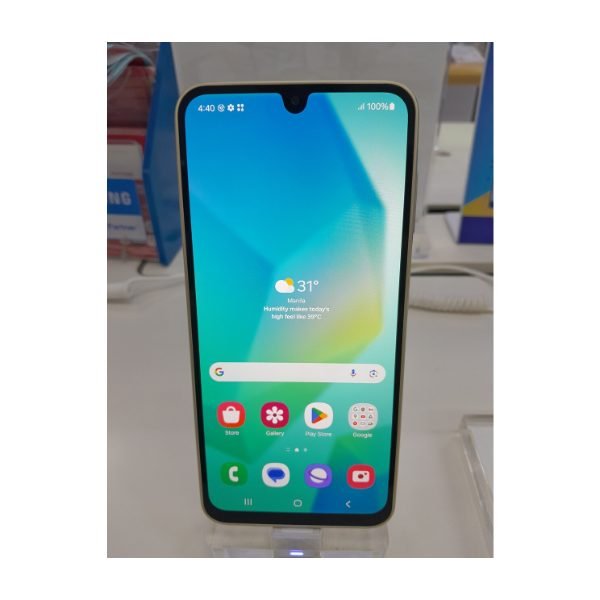
Photo: Captainmorlypogi1959 / Wikimedia Commons, CC BY-SA 4.0
The Galaxy A16 5G is the phone we'd hand to a parent, a teen or anyone who just wants something reliable. Its 6.7-inch Super AMOLED screen is bright and colorful for streaming, and the 5,000mAh battery gets owners through a full day without fuss. Samsung promises six years of OS and security updates, which is unusual for a phone this cheap. Performance is fine for social apps and video calls, though heavy games and fast app switching can feel sluggish. The cameras do well in daylight and struggle more at night. For the price, very little else comes close.
Pros
- Very low price
- Large, vivid AMOLED screen
- Six years of updates promised
Cons
- Slower with demanding apps
- Weak low-light photos
Specs
| Display | 6.7-inch Super AMOLED |
|---|---|
| Battery | 5,000mAh |
| Connectivity | 5G |
| Updates | 6 years OS and security |
Best budget iPhone

If you live in Apple's world of iMessage, FaceTime and AirPods, the iPhone 16e is the most affordable way to get a current iPhone. It uses Apple's A18 chip, so it feels fast and should stay quick for years of iOS updates. Battery life gets strong marks in independent reviews, and the single 48MP camera produces sharp, natural photos. It has Face ID and USB-C. What you give up is the second camera, so there's no ultra-wide lens, and it lacks MagSafe magnets, which matters if you want snap-on wallets or chargers. At $599, it sits at the top of our budget range.
Pros
- Fast A18 chip
- Strong battery life
- Long iOS support
Cons
- No ultra-wide camera
- No MagSafe magnets
Specs
| Display | 6.1-inch OLED |
|---|---|
| Chip | Apple A18 |
| Camera | 48MP single rear |
| Port | USB-C |
Best for battery life
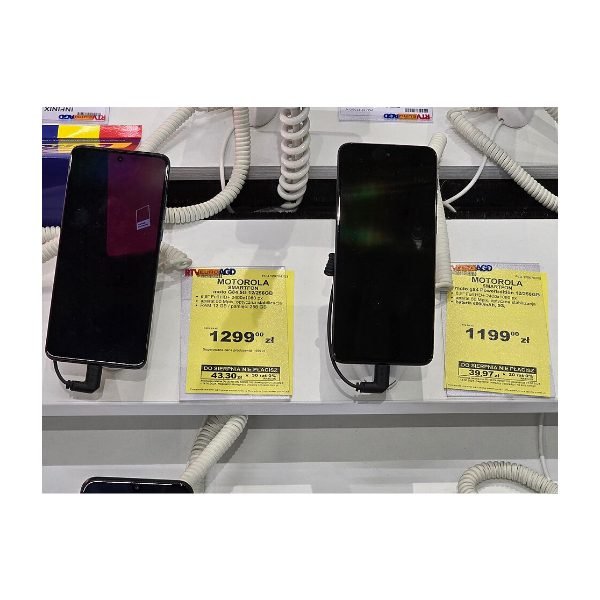
Photo: MichalPL / Wikimedia Commons, CC BY-SA 4.0
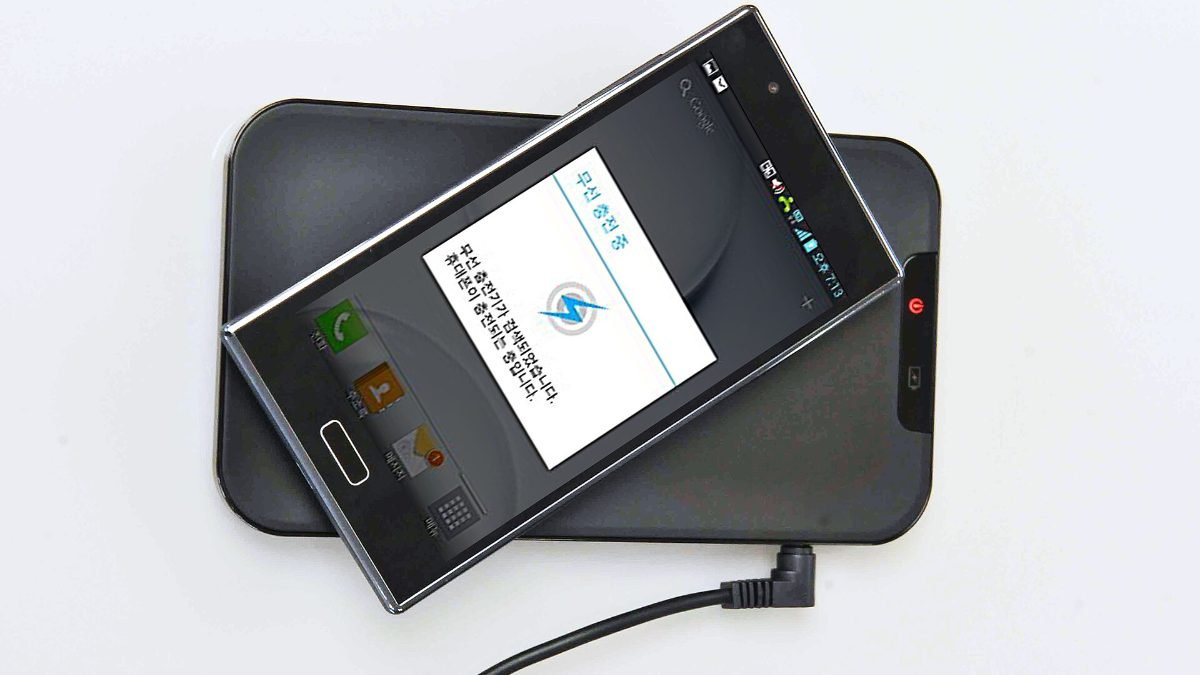
The Moto G Power 5G (2024) is built around one idea: you should not have to think about your battery. Its 5,000mAh cell and efficient chip let many owners go well past a day between charges. It also adds touches that are rare at this price, including wireless charging and a 3.5mm headphone jack. The 6.7-inch screen runs at a smooth refresh rate, and Motorola's software stays close to stock Android. The weak spot is updates: Motorola's support window is much shorter than Samsung's or Google's, so plan on replacing it sooner. It's a great value if longevity matters less than battery.
Pros
- Long battery life
- Wireless charging at a low price
- Headphone jack
Cons
- Short software update window
- Average camera
Specs
| Display | 6.7-inch LCD |
|---|---|
| Battery | 5,000mAh |
| Charging | Wired and wireless |
| Audio | 3.5mm headphone jack |
Best mid-range Samsung
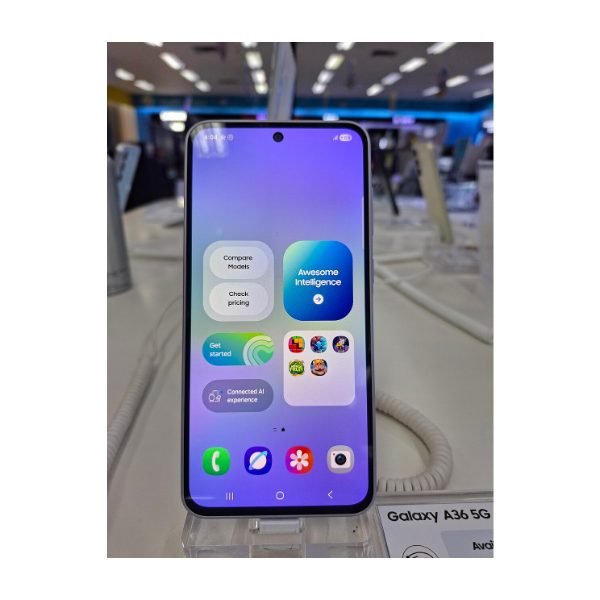
Photo: Captainmorlypogi1959 / Wikimedia Commons, CC BY-SA 4.0
The Galaxy A36 5G is the sweet spot for Samsung fans who want more than the basics. Owners like its large AMOLED display with a fast refresh rate, its quicker charging and the sturdier feel of its build. It's water resistant and gets the same long update promise as Samsung's other recent A-series phones. Performance is a clear step up from the A16, so multitasking and casual gaming feel smoother. The cameras are good in daylight, though the Pixel 9a takes better photos for about $100 more. Pick the A36 if you prefer Samsung's software and want a bigger screen.
Pros
- Smooth AMOLED display
- Faster charging than cheaper Samsungs
- Long update support
Cons
- Pixel 9a has a better camera
- Bloatware on some carrier models
Specs
| Display | 6.7-inch Super AMOLED |
|---|---|
| Connectivity | 5G |
| Water resistance | IP67 |
| Updates | 6 years OS and security |
How we chose
We started with 16 phones sold unlocked in the US for under $600. We compared manufacturer specs, read independent reviews from major tech publications and went through owner feedback on retailer sites and forums. We gave extra weight to three things that matter most over the life of a budget phone: how long the maker promises updates, how well the battery holds up, and whether the phone stays responsive after a year of apps and photos. We also checked price history so we could recommend phones that regularly sell at or below our listed price.
What to look for when buying a budget phone
- Update promise: Google and Samsung now promise six to seven years on many models. Shorter support means you'll need a new phone sooner.
- Carrier compatibility: Make sure the phone supports your carrier's 5G bands. Unlocked models from big brands usually work on all major US carriers.
- Storage: 128GB is the comfortable minimum. Check for a microSD slot if you shoot lots of video.
- Charging: Many cheap phones skip the charger in the box. Pair yours with one of the best wireless chargers or a fast USB-C brick.
Once you buy, a few habits help any phone last. Our guide on how to extend phone battery life covers the settings that matter.
Frequently asked questions
Is a budget phone good enough for most people?
Yes. Phones in the $200 to $600 range handle messaging, browsing, streaming and photos well. You mostly give up camera flexibility, premium materials and peak gaming performance.
How long should a budget phone last?
Three to five years is realistic if the maker keeps sending updates. Google and Samsung promise longer support than most rivals, which helps.
Should I buy an unlocked phone or one from my carrier?
Unlocked phones are easier to move between carriers and usually carry less preinstalled software. Carrier deals can be cheaper upfront but often lock you into a contract.