The 22-liter daypack hikers keep recommending (plus 4 more for every kind of trail)
We compared 22 hiking backpacks from Osprey, Gregory and Deuter. These five cover short day hikes, long days and overnight trips.
 BuyWithVoltTop Pick2026
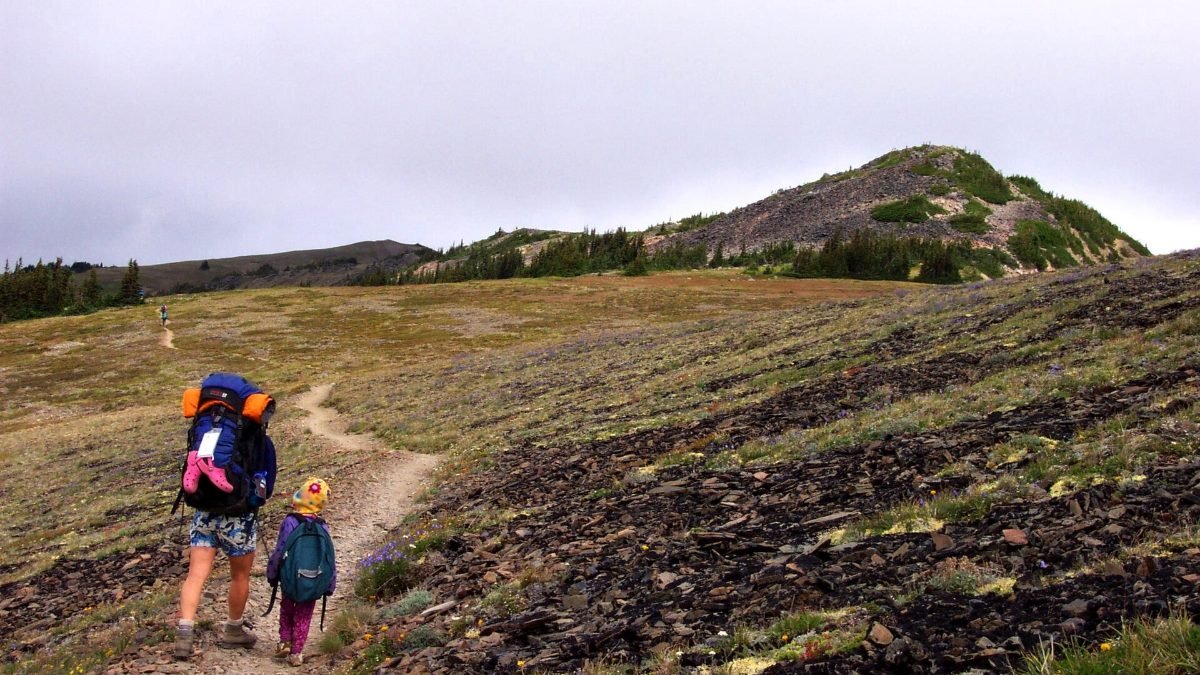
Photo: Olympic National Park / Wikimedia Commons, Public domain
The wrong backpack makes a pleasant hike miserable. Straps dig into your shoulders, your back gets soaked with sweat, and the water bottle you need is buried under a jacket. The right pack carries weight on your hips, breathes and puts the essentials within reach.
We compared 22 hiking backpacks from Osprey, Gregory, Deuter and other outdoor brands. We analyzed capacity, suspension design, ventilation, pockets and fit adjustments, and we read owner feedback and independent reviews from hiking publications. We cut packs with frequent complaints about torn seams, failing zippers or poor fit. These five suit everything from a two-hour trail to a weekend in the backcountry. Fit varies by body, so we also note women's versions where they exist.
Our top picks
-
Best hiking backpack overall
Osprey Talon 22
$160 at OspreyJump to details -
Best for long day hikes
Gregory Zulu 30
$170 at AmazonJump to details -
Best lightweight daypack
Deuter Speed Lite 21
$85 at AmazonJump to details -
Best for overnight and backpacking trips
Osprey Atmos AG 65
$340 at OspreyJump to details -
Best budget daypack
Osprey Daylite Plus
$75 at AmazonJump to details
Prices at time of writing and may change. We may earn a commission when you buy through these links.
Best hiking backpack overall

The Talon 22 is one of the most frequently recommended daypacks, and the reasons are simple. It has a padded hipbelt with pockets, a ventilated back panel, a hydration sleeve and plenty of stretch pockets for layers and snacks. Owners like how stable it feels on rough trails and that it fits a wide range of body types through its adjustable harness. At 22 liters, it holds water, food, a rain shell and a first aid kit with room to spare. It runs warmer on the back than packs with suspended mesh. Osprey also makes a women's version, the Tempest 22.
Pros
- Padded hipbelt with pockets
- Lots of easy-access storage
- Stable on rough terrain
Cons
- Back panel runs warm in heat
- Pricier than basic daypacks
Specs
| Capacity | 22 liters |
|---|---|
| Hipbelt | Padded, with pockets |
| Hydration | Reservoir sleeve |
| Best for | Day hikes |
Best for long day hikes

If you hike long days or carry extra layers, water and camera gear, the Zulu 30 gives you more room and a more supportive frame. Its suspended mesh back panel holds the pack off your back so air can flow, which owners appreciate in summer heat. The hipbelt and shoulder straps are well padded, and the frame transfers weight to your hips better than a basic daypack. It is bulkier than you need for short outings, and the mesh design gives up a bit of interior space. For big days in the mountains, it is a strong pick.
Pros
- Suspended mesh back for airflow
- Carries heavier loads well
- Roomy 30-liter capacity
Cons
- Bulky for short hikes
- Curved back reduces packing space
Specs
| Capacity | 30 liters |
|---|---|
| Back panel | Suspended mesh |
| Frame | Lightweight internal frame |
| Best for | Long day hikes |
Best lightweight daypack

Deuter is a German pack maker with a long reputation, and the Speed Lite 21 is its pared-down option for people who want to move fast. It is light, slim and simple, with a few key pockets and a thin hipbelt that keeps the pack from swinging. Owners like it for short hikes, trail runs and as a travel daypack. The trade-off is padding and support. It does not carry heavy loads as comfortably as the Talon or Zulu, and the hipbelt is a webbing strap. For light loads and lower budgets, it is a good value.
Pros
- Very light and slim
- Good price
- Doubles as a travel daypack
Cons
- Minimal padding
- Not built for heavy loads
Specs
| Capacity | 21 liters |
|---|---|
| Hipbelt | Removable webbing |
| Design | Minimalist |
| Best for | Fast and short hikes |
Best for overnight and backpacking trips

When you need to carry a tent, sleeping bag and food, the Atmos AG 65 is one of the most praised options. Osprey's Anti-Gravity suspension wraps a continuous mesh panel from the shoulders to the hips, and owners consistently describe it as one of the most comfortable packs they have worn on long trips. The torso length and hipbelt adjust for fit, and there are plenty of pockets. It is heavier than minimalist packs, and the full mesh design takes some space from the main compartment. The women's version is the Aura AG 65.
Pros
- Very comfortable under heavy loads
- Adjustable torso length
- Excellent ventilation
Cons
- Heavier than minimalist packs
- Expensive
Specs
| Capacity | 65 liters |
|---|---|
| Suspension | Anti-Gravity mesh |
| Fit | Adjustable torso and hipbelt |
| Best for | Overnight and multi-day trips |
Best budget daypack
The Daylite Plus is Osprey's everyday pack, and it is a sensible choice for casual hikers who do not need hiking-specific features. It has a padded back panel, a front stash pocket, side mesh pockets for bottles and room for a hydration reservoir. Owners like its durability and that it works just as well for commuting. It has no padded hipbelt, so heavier loads sit on your shoulders. For short, easy trails and city use, it covers the basics well. If you want one bag for work and weekends, also see our everyday backpack picks.
Pros
- Affordable Osprey quality
- Works for hiking and commuting
- Sturdy materials
Cons
- No padded hipbelt
- Basic back ventilation
Specs
| Capacity | 20 liters |
|---|---|
| Hydration | Reservoir compatible |
| Pockets | Front stash and side mesh |
| Best for | Easy trails and everyday use |
How we chose
We compared 22 hiking backpacks across daypack and overnight categories. We analyzed published capacity, suspension designs, hipbelt padding, ventilation and pocket layouts. Then we read owner feedback and independent reviews from hiking and outdoor sites, focusing on comfort reports, fit issues and durability over multiple seasons. We also considered warranty policies and price history.
What to look for when buying a hiking backpack
- Capacity. 15 to 25 liters suits most day hikes. 30 liters fits long days. 50 to 70 liters fits overnights.
- Fit. Torso length matters more than height. Many packs come in sizes or adjust.
- Hipbelt. A padded hipbelt moves weight off your shoulders.
- Ventilation. Mesh backs keep you cooler in summer.
- Hydration. Look for a reservoir sleeve or easy-reach bottle pockets.
Complete your hiking kit
Comfortable feet matter as much as a good pack, so see our picks for the best walking shoes. If you are planning an overnight, our camping tent guide covers lightweight shelters. A fitness tracker can log distance and elevation on the trail.
Frequently asked questions
What size backpack do I need for a day hike?
Most people do well with 18 to 25 liters. That holds water, food, a rain jacket, a warm layer and a small first aid kit.
How should a hiking backpack fit?
The hipbelt should sit on your hip bones and carry most of the weight. Shoulder straps should wrap snugly without gaps or pressure points.
Are women's-specific backpacks worth it?
They usually have shorter torso lengths, narrower shoulder straps and shaped hipbelts. Many women find them more comfortable, but fit varies by person.