We compared 20 camping tents. These 5 are worth it, starting at about $90
From a classic Coleman dome to ultralight backpacking shelters, these five tents cover car camping, family trips and the backcountry.
 BuyWithVoltTop Pick2026
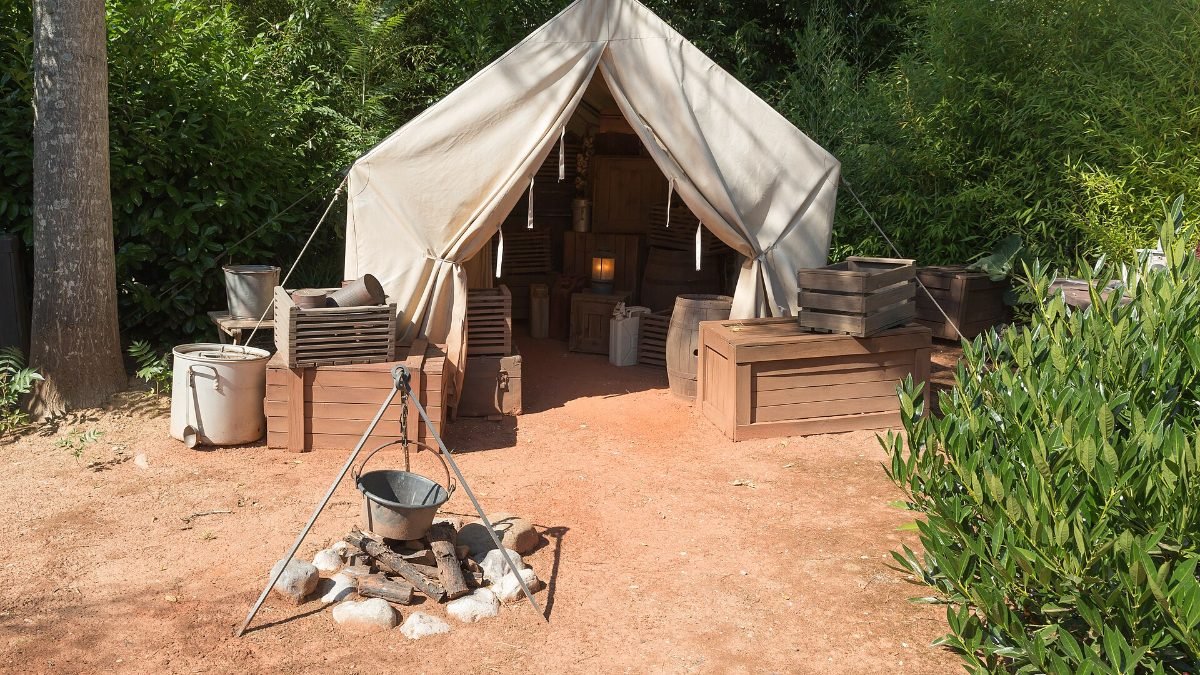
Photo: Another one of my pictures: This photograph was taken by Medium69 (William Cr / Wikimedia Commons, CC BY-SA 4.0
A bad tent can ruin a good trip. Poles that snap in the wind, a rain fly that drips on your sleeping bag, or a setup that takes an hour of arguing in the dark: most campers have a story. A good tent, on the other hand, is something you stop thinking about once it is pitched.
We compared 20 tents from Coleman, Core, REI Co-op, Big Agnes, Marmot and others. We analyzed floor dimensions, weight, door and vestibule layouts, materials and owner feedback, along with independent reviews from outdoor publications. We cut tents with frequent reports of leaking seams or weak poles. These five cover budget car camping, big families and backpacking. Prices are typical US retail at time of writing, and tents often go on sale in spring.
Our top picks
-
Best camping tent overall
REI Co-op Half Dome SL 2+ Tent
$299 at REIJump to details -
Best budget camping tent
Coleman Sundome 4-Person Tent
$89 at WalmartJump to details -
Best for families and fast setup
Core 9-Person Instant Cabin Tent
$199 at AmazonJump to details -
Best ultralight backpacking tent
Big Agnes Copper Spur HV UL2
$499 at AmazonJump to details -
Best value backpacking tent
Marmot Tungsten 2P Tent
$199 at AmazonJump to details
Prices at time of writing and may change. We may earn a commission when you buy through these links.
Best camping tent overall

The Half Dome line has been an REI staple for many years, and reviewers often call it the best all-around tent for people who do a bit of everything. The plus size gives two people extra floor space and headroom, and two doors with two vestibules mean nobody climbs over anyone at night. It is freestanding and simple to pitch. It is heavier than true ultralight shelters, so dedicated long-distance hikers may want something lighter. For weekend campers who also want the option to backpack a few miles, it hits a smart balance of space, weight and price.
Pros
- Extra room for two people
- Two doors and two vestibules
- Easy freestanding setup
Cons
- Heavier than ultralight tents
- Mainly sold through REI
Specs
| Capacity | 2 people, extra room |
|---|---|
| Doors | 2 |
| Design | Freestanding dome |
| Season | 3-season |
Best budget camping tent

The Sundome has been one of the most common tents at campgrounds for decades, and it is still the easiest recommendation for beginners on a budget. It sets up quickly with two main poles, fits a queen air mattress in the four-person version, and has a rain fly and welded floor corners to help keep water out. Owners report it holds up well in fair weather. In heavy rain or strong wind, the short rain fly and fiberglass poles show their limits. For a few summer trips a year, it is very hard to beat at this price.
Pros
- Very affordable
- Quick setup for beginners
- Fits a queen air mattress
Cons
- Rain fly offers limited coverage
- Not built for strong storms
Specs
| Capacity | 4 people |
|---|---|
| Poles | Fiberglass |
| Design | Dome |
| Season | 3-season, fair weather |
Best for families and fast setup
Family camping means lots of gear, cots and kids, and the Core Instant Cabin is built for that. The poles are attached to the tent body, so you unfold it, extend the legs and lock them in place. Owners say one or two adults can set it up quickly, which is a relief after a long drive. The cabin shape gives near-vertical walls and plenty of standing room. It is heavy and bulky to pack, and like most large tents it catches wind, so stake it down well. For campground trips with a crowd, it is a popular pick.
Pros
- Pre-attached poles for fast setup
- Lots of standing room
- Space for cots and air mattresses
Cons
- Heavy and bulky packed
- Catches wind on exposed sites
Specs
| Capacity | 9 people (manufacturer rating) |
|---|---|
| Setup | Instant, pre-attached poles |
| Design | Cabin |
| Best for | Car and campground camping |
Best ultralight backpacking tent

The Copper Spur HV UL2 shows up on nearly every list of top backpacking tents, and for good reason. It keeps weight low while still giving two people a usable interior, thanks to a hubbed pole design that pushes the walls outward. It has two doors and two vestibules, and owners like the awnings that let you keep the doors open in light rain. The thin ultralight fabrics need more care than heavier tents, and the price is high. If you carry your tent for miles, every ounce matters, and this one is a proven choice.
Pros
- Very light for a two-person tent
- Two doors and two vestibules
- Livable interior space
Cons
- Expensive
- Thin fabrics need careful handling
Specs
| Capacity | 2 people |
|---|---|
| Doors | 2 |
| Design | Freestanding, hubbed poles |
| Season | 3-season |
Best value backpacking tent
The Tungsten is a common recommendation for people starting to backpack who do not want to spend $400 or more. It is freestanding, with color-coded poles and clips that make setup easy, plus two doors and two vestibules. Owners describe it as durable and weather resistant for the price. It weighs more than premium ultralight tents, which you will notice on long climbs. For short trips, scout outings and car camping, the extra weight is a fair trade for the savings and sturdier fabrics. Many owners keep it for years as a dependable backup tent.
Pros
- Good price for a backpacking tent
- Color-coded, easy setup
- Durable fabrics
Cons
- Heavier than ultralight options
- Smaller vestibules than some rivals
Specs
| Capacity | 2 people |
|---|---|
| Doors | 2 |
| Design | Freestanding dome |
| Season | 3-season |
How we chose
We started with 20 tents across car camping and backpacking categories. We compared published floor dimensions, peak height, weight, materials and door layouts. Then we read owner feedback and independent reviews from outdoor publications, paying close attention to reports of leaks, broken poles and zipper failures. We also checked price history, since tents often go on sale in spring and at the end of summer.
What to look for when buying a camping tent
- Capacity. Tent ratings assume people packed shoulder to shoulder. Size up by one person for comfort or gear.
- Weight. It matters little for car camping and a lot for backpacking.
- Doors and vestibules. Two doors make life easier for two or more campers.
- Rain fly coverage. A full-coverage fly handles storms better than a short cap.
- Setup. Freestanding and instant designs are easier for beginners.
Gear to pack with your tent
If you plan to hike to your campsite, start with the right pack from our guide to the best hiking backpacks. Battery-powered string lights make a campsite easier to navigate after dark, and a rugged Bluetooth speaker is handy at the campground (keep the volume considerate).
Frequently asked questions
What size tent should I buy?
Choose one size larger than the number of people sleeping in it if you want room for gear. A two-person tent fits two adults snugly.
Should I use a footprint under my tent?
A footprint or ground cloth protects the floor from rocks and moisture and can extend the life of your tent. Keep it slightly smaller than the floor so it does not collect rain.
How do I keep my tent dry in the rain?
Pitch it on higher ground, tension the rain fly so it does not touch the inner tent, and keep the vestibule doors closed during storms.