Before you buy a $700 self-cleaning litter box, see these 4 cheaper fixes
We compared 17 litter boxes, from simple high-sided pans to self-cleaning machines. These five cut down on scatter, odor and daily scooping hassle.
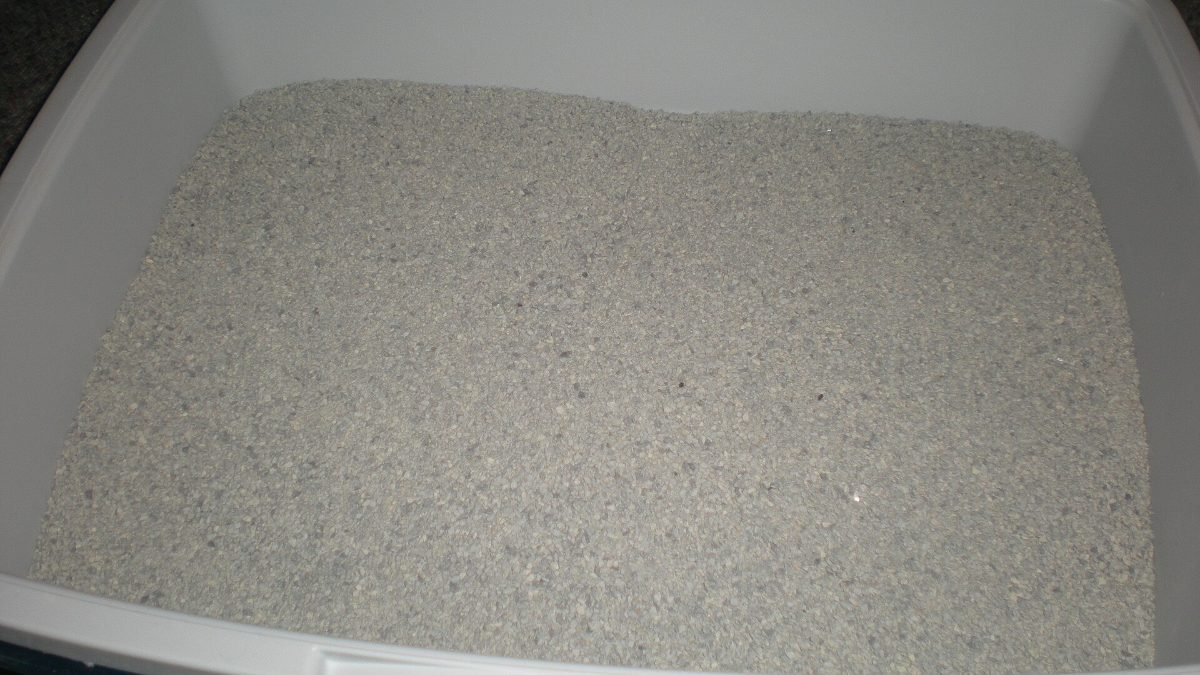 BuyWithVoltTop Pick2026
Photo: CambridgeBayWeather / Wikimedia Commons, CC BY-SA 3.0
Litter on the floor, a smell that greets guests at the door and a cat who suddenly decides the bath mat is a better option: litter box problems are some of the most common complaints from cat owners. Often a better box fixes the problem.
We compared 17 litter boxes across open, high-sided, top-entry, hooded, pellet and self-cleaning designs. We analyzed dimensions, entry heights, materials and cleaning steps, and we read owner feedback and independent reviews, paying close attention to how cats themselves reacted. We cut boxes with frequent reports of leaks, cracking plastic or cats refusing to use them. These five solve the most common problems. Your cat gets the final vote, so we note which designs some cats reject.
Our top picks
-
Best litter box overall
IRIS USA Top Entry Cat Litter Box
$35 at AmazonJump to details -
Best budget litter box
Nature's Miracle High-Sided Litter Box
$25 at AmazonJump to details -
Best hooded litter box
Petmate Booda Dome Clean Step Litter Box
$45 at AmazonJump to details -
Best for odor control
Purina Tidy Cats Breeze Litter System
$40 at WalmartJump to details -
Best self-cleaning litter box
Litter-Robot 4
$699 at WhiskerJump to details
Prices at time of writing and may change. We may earn a commission when you buy through these links.
Best litter box overall

The IRIS Top Entry box is a long-running favorite for owners fighting litter scatter. Cats jump in through a hole in the lid, and the textured lid catches litter from their paws as they climb out. Owners consistently report much less litter tracked across the floor, and the design also keeps curious dogs out. It is simple to scoop by lifting the lid. The catch is that it does not suit every cat. Kittens, seniors and cats with mobility issues may struggle with jumping in and out. For healthy adult cats, it is our top pick.
Pros
- Greatly reduces litter scatter
- Keeps dogs out
- Affordable
Cons
- Not suited to older or less mobile cats
- Lid must be lifted to scoop
Specs
| Style | Top entry |
|---|---|
| Lid | Textured, catches litter |
| Material | Plastic |
| Best for | Healthy adult cats, homes with dogs |
Best budget litter box

Many cats prefer an open box, and the problem is usually that standard pans are too shallow. This high-sided box from Nature's Miracle keeps tall walls on three sides with a lower front entry, so cats who dig hard or stand up while they go keep litter and urine inside. Owners like how easy it is to scoop and clean. It is open, so odors are less contained than with a hooded box, and very large cats may still want a bigger pan. For most cats, it is an easy, low-cost upgrade over a basic box.
Pros
- High sides contain kicked litter
- Low front entry
- Very affordable
Cons
- Open design does not hide odors
- Can be small for very large cats
Specs
| Style | Open, high-sided |
|---|---|
| Entry | Low front |
| Material | Plastic |
| Best for | Diggers and high-spraying cats |
Best hooded litter box

The Booda Dome is a well-known hooded box with an unusual design: cats enter by climbing a set of molded steps. The steps help catch litter before it leaves the box, and the dome gives shy cats privacy while helping contain odor. Owners report less tracked litter and appreciate that the dome hides the box visually. It takes up more floor space than a basic pan, and some cats take time to get used to the steps. Like any hooded box, it needs regular scooping since the cover can trap smells inside for the cat.
Pros
- Steps reduce tracked litter
- Dome adds privacy
- Helps contain odors
Cons
- Large footprint
- Some cats need time to adjust
Specs
| Style | Covered dome |
|---|---|
| Entry | Built-in steps |
| Material | Plastic |
| Best for | Shy cats, odor control |
Best for odor control

The Breeze system works differently from a standard box. Cats use a top tray of non-clumping pellets, and urine passes through a grate into a drawer with an absorbent pad. You scoop solids and change the pad, and owners say the box stays drier and smells less. Pellets also track less than clay litter. The trade-offs are ongoing costs, since you need branded pads and pellets, and some cats dislike the texture of pellets. If odor is your biggest problem and your cat is flexible, it is worth a try.
Pros
- Keeps urine away from litter
- Less dust and tracking
- Easy daily maintenance
Cons
- Ongoing cost of pads and pellets
- Some cats reject pellets
Specs
| Style | Two-level sifting system |
|---|---|
| Litter | Pellets |
| Base | Absorbent pad drawer |
| Best for | Odor control |
Best self-cleaning litter box
The Litter-Robot is the self-cleaning box most owners have heard of, and the Litter-Robot 4 is the current model. After a cat leaves, it rotates to separate clumps into a drawer below, and an app shows usage and drawer levels. Owners in multi-cat homes and people who travel often say it saves a lot of daily work. The cost is the big drawback, and it needs clumping litter, regular deep cleaning and a period for cats to adjust. Try one of the simpler boxes above first if odor or scatter is your only problem.
Pros
- Automatic sifting after each use
- App tracks usage
- Saves daily scooping
Cons
- Very expensive
- Some cats need time to adjust
Specs
| Style | Self-cleaning, rotating |
|---|---|
| Litter | Clumping |
| Connectivity | Wi-Fi app |
| Best for | Multi-cat homes, frequent travelers |
How we chose
We compared 17 litter boxes across open, high-sided, top-entry, hooded, pellet and self-cleaning designs. We analyzed published dimensions, entry heights and cleaning steps. Then we read owner feedback and independent reviews, focusing on how cats responded, how well each box contained litter and odor, and how it held up over time. We also checked price history and ongoing costs such as pads and liners.
What to look for when buying a litter box
- Size. A common guideline is a box about 1.5 times your cat's body length.
- Entry height. Kittens and older cats need a low entry.
- Open or covered. Many cats prefer open boxes, but hoods help with privacy and scatter.
- Ease of cleaning. Smooth plastic and few corners make scooping and washing easier.
- Number of boxes. A common rule is one box per cat, plus one extra.
Tips for less odor and mess
Scoop daily and wash the box with mild soap regularly. Place a litter mat at the exit. An air purifier near the litter area can help with lingering odors, and a robot vacuum picks up stray litter. If accidents happen outside the box, a portable carpet cleaner helps, and a talk with your vet can rule out health problems.
Frequently asked questions
How many litter boxes do I need?
A common guideline is one box per cat plus one extra, placed in different areas of the home.
Why is my cat not using the litter box?
Common reasons include a dirty box, a type of litter or box the cat dislikes, stress or a health issue. If it continues, check with your vet.
Are self-cleaning litter boxes worth it?
They can save time in multi-cat homes, but they cost a lot and some cats never accept them. Try simpler fixes first if odor or scatter is the issue.