The $200 air purifier experts keep recommending (and 4 more for bigger rooms)
We compared 18 air purifiers on filtration type, room coverage, noise, filter costs and owner feedback to find five for bedrooms to open living spaces.
 BuyWithVoltTop Pick2026
Photo: GEEK KAZU / Wikimedia Commons, CC BY 2.0
Dust, pet dander, pollen and smoke can all make a home feel stuffy. A good air purifier helps, but the market is crowded with look-alike boxes and vague claims. The right model depends on room size, how much noise you can tolerate and what filters will cost every year.
We compared 18 air purifiers from long-running brands. We analyzed manufacturer specs for filter type, recommended room size, fan settings and filter replacement schedules, and we looked for third-party clean air delivery ratings where manufacturers publish them. Then we read owner feedback and independent reviews for noise, real-world performance and long-term reliability. Models without true HEPA filters or with expensive, hard-to-find filters were cut. Five made the list. These are general home products, not medical devices.
Our top picks
-
Best air purifier overall
Coway Airmega AP-1512HH Mighty
$200 at AmazonJump to details -
Best budget air purifier
Levoit Core 300
$100 at AmazonJump to details -
Best for allergies and odors
Winix 5500-2
$170 at AmazonJump to details -
Best for large rooms
Blueair Blue Pure 211i Max
$320 at AmazonJump to details -
Best purifier and fan combo
Dyson Purifier Cool TP07
$550 at Best BuyJump to details
Prices at time of writing and may change. We may earn a commission when you buy through these links.
Best air purifier overall

The Coway Mighty has been one of the most recommended air purifiers by independent reviewers for a long time, and its specs explain why. It uses a pre-filter, carbon filter and true HEPA filter, and Coway rates it for medium to large rooms. An air quality indicator changes color, and auto mode adjusts the fan to match. Owners like its quiet low setting for bedrooms and its reasonable filter costs. It is a bit dated in design, and the carbon filter is thin, so it does less for strong odors. For most rooms, it is the safest choice.
Pros
- True HEPA filtration
- Auto mode with air quality light
- Reasonable filter costs
Cons
- Dated design
- Thin carbon filter for odors
Specs
| Filtration | Pre-filter, carbon, true HEPA |
|---|---|
| Auto mode | Yes |
| Air quality indicator | Yes |
| Best for | Bedrooms and living rooms |
Best budget air purifier
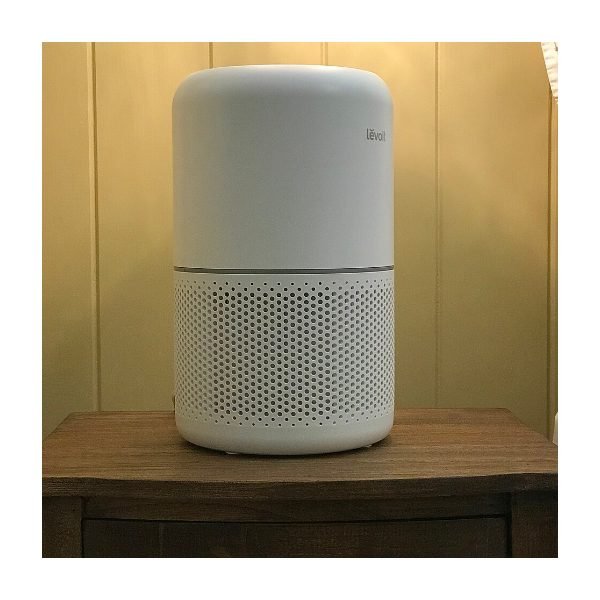
Photo: Home Air Quality Guides / Wikimedia Commons, CC BY-SA 2.0
The Levoit Core 300 is one of the best-selling air purifiers, mostly because it does the basics well for little money. Its round design pulls air in from all sides through a true HEPA filter, and the sleep mode is quiet enough for bedrooms. It is small enough for a nightstand or desk. Owners like the simple controls and low cost of replacement filters. It is meant for smaller rooms, so it will struggle in an open living area. There is no auto mode on the basic model. For a bedroom or office, it is an easy pick.
Pros
- Low price
- Quiet sleep mode
- Compact design
Cons
- Small rooms only
- No auto mode
Specs
| Filtration | True HEPA |
|---|---|
| Design | Round, 360-degree intake |
| Sleep mode | Yes |
| Best for | Bedrooms and offices |
Best for allergies and odors
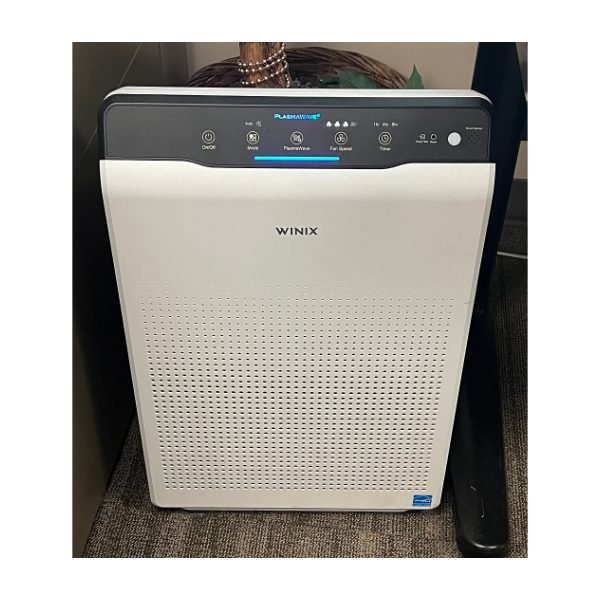
Photo: TaurusEmerald / Wikimedia Commons, CC BY-SA 4.0
The Winix 5500-2 is a long-time favorite for homes with pets and kitchen smells. It pairs a true HEPA filter with an activated carbon filter that is more substantial than many rivals. Auto mode and an air quality sensor adjust the fan. It also includes PlasmaWave, which you can switch off if you prefer a filter-only purifier. Owners praise its value and quiet sleep mode. It is bulkier than the Coway and Levoit, and the controls are basic. For pet owners and open kitchens, it is a strong choice.
Pros
- Carbon filter helps with odors
- Auto mode
- Good value
Cons
- Bulky
- Basic controls
Specs
| Filtration | True HEPA and activated carbon |
|---|---|
| Auto mode | Yes |
| PlasmaWave | Yes, can be turned off |
| Best for | Pets and kitchens |
Best for large rooms

Large rooms need a purifier that can move a lot of air without sounding like a jet engine. The Blue Pure 211i Max is built for that, and owners consistently note how quiet it is at lower settings. Its fabric pre-filter slides over the body, comes in colors and can be washed to catch pet hair and dust. An app lets you check air quality and adjust the fan remotely. It costs more than our other picks, and replacement filters are pricey. For an open living room, it is the purifier we would choose.
Pros
- Built for large rooms
- Quiet at lower speeds
- Washable pre-filter
Cons
- Expensive
- Pricey replacement filters
Specs
| Filtration | Pre-filter and main filter |
|---|---|
| App | Yes |
| Auto mode | Yes |
| Best for | Large rooms |
Best purifier and fan combo
Dyson's Purifier Cool combines a sealed HEPA filtration system with a bladeless tower fan. In summer it moves air like a fan, and the purifier runs year-round. The display and app show real-time air quality, and the tower oscillates to spread air around the room. Owners like that it replaces two devices and looks sleek. It is expensive, and many reviewers note that dedicated purifiers clean air faster for the money. Buy it if you also want a fan, value design and have a medium-size room to cover.
Pros
- Fan and purifier in one
- Air quality display and app
- Sleek design
Cons
- Very expensive
- Less air cleaned per dollar
Specs
| Filtration | Sealed HEPA and carbon |
|---|---|
| Fan | Bladeless, oscillating |
| App | MyDyson |
| Display | Live air quality |
How we chose
We started with 18 air purifiers from established brands. We compared manufacturer specs for filter type, recommended room size, fan settings and filter replacement intervals. Where available, we checked published clean air delivery rate (CADR) figures, which are standardized ratings for how fast a purifier cleans a room. Then we analyzed owner feedback and independent reviews for noise, durability and filter cost. We required true HEPA or equivalent filtration and easy-to-find filters. Smart models connect to Wi-Fi, so it is wise to secure your home network. A robot vacuum also helps keep dust from building up on floors.
What to look for when buying an air purifier
- True HEPA filter: The standard for capturing fine particles like dust and pollen.
- Room size and CADR: Match the purifier to your room. Higher CADR means faster cleaning.
- Noise: Check sleep mode if it will run in a bedroom.
- Filter costs: Replacement filters can cost more over time than the purifier itself.
- Carbon filter: Helps with odors from cooking and pets.
Hot sleepers often run a purifier in the bedroom. Pair it with one of the best cooling pillows for better nights.
Frequently asked questions
Do air purifiers really work?
Purifiers with true HEPA filters are designed to capture fine particles like dust, pollen and pet dander. Results depend on room size and running it consistently.
How often should you change an air purifier filter?
Many manufacturers suggest replacing main filters every 6 to 12 months, depending on use and air quality.
Where should I put an air purifier?
Place it in the room you use most, such as a bedroom, with space around it so air can flow freely.