Skip the loud gas blower: these 4 cordless and corded picks handle most yards fine
We compared 18 leaf blowers from EGO, DeWalt, Worx, Toro and Husqvarna. Here are the five that fit most yards and budgets.
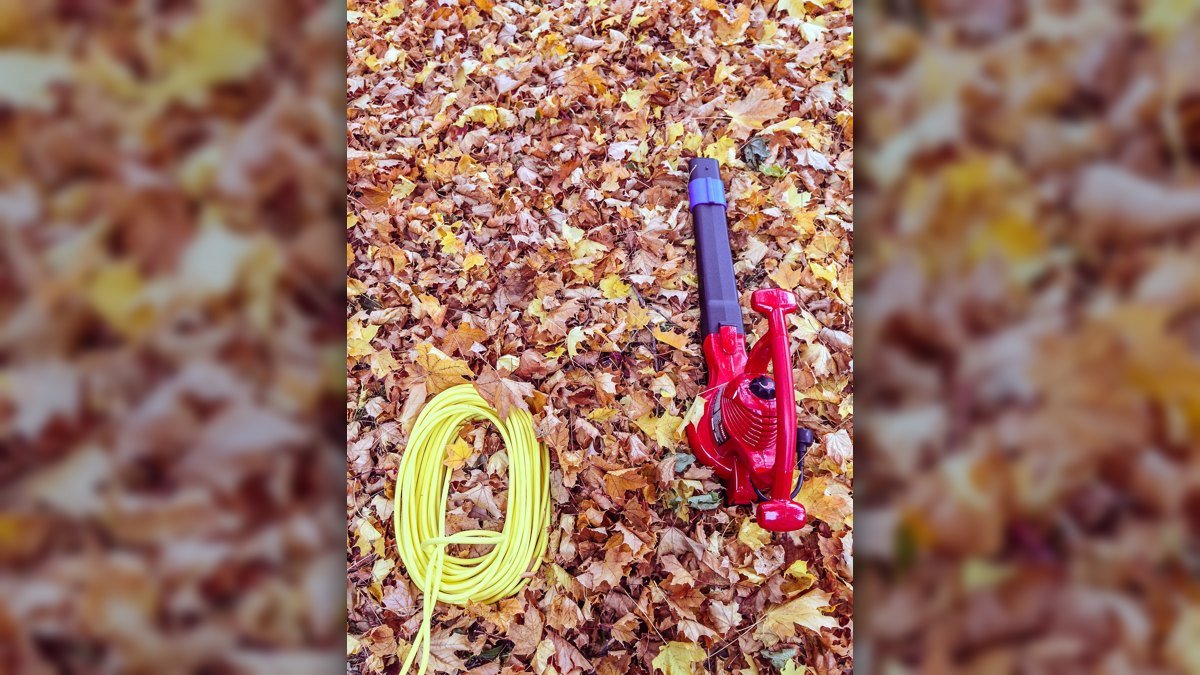 BuyWithVoltTop Pick2026
Photo: Tony Webster from Portland, Oregon / Wikimedia Commons, CC BY-SA 2.0
Fall cleanup goes faster with the right blower, and slower with the wrong one. Too weak and you chase the same pile of wet leaves for an hour. Too heavy and your arm gives out before the driveway is clear. Gas blowers used to be the default, but battery models have caught up for most suburban yards.
We compared 18 leaf blowers across cordless, corded and gas designs. We analyzed manufacturer specs, battery platforms, weight and balance as described by owners, independent reviews and price history. We cut models with frequent complaints about battery life, overheating or flimsy builds. These five cover small patios, average lots and larger properties. Prices reflect typical kit pricing at time of writing.
Our top picks
-
Best leaf blower overall
EGO Power+ 650 CFM Blower (LB6504)
$279 at AmazonJump to details -
Best for DeWalt battery owners
DeWalt 20V Max XR Brushless Handheld Blower (DCBL722)
$199 at AmazonJump to details -
Best for small yards and patios
Worx 20V Power Share Turbine Cordless Blower (WG547)
$99 at AmazonJump to details -
Best corded blower and vacuum
Toro UltraPlus Leaf Blower Vacuum (51621)
$99 at AmazonJump to details -
Best gas leaf blower
Husqvarna 125B Handheld Gas Leaf Blower
$189 at AmazonJump to details
Prices at time of writing and may change. We may earn a commission when you buy through these links.
Best leaf blower overall

EGO is the battery brand reviewers mention most often when the question is whether cordless can replace gas, and the LB6504 is a big reason why. EGO rates it at 650 CFM and 180 MPH, which is strong for a handheld battery blower. Owners report it clears wet leaves and grass clippings well, and the variable-speed trigger plus turbo button let you save battery on light jobs. Runtime at full power is limited, so large lots may need a second battery. It is also heavier than smaller cordless blowers once the battery is attached. For most homeowners, it is the best balance of power and convenience.
Pros
- Very strong airflow for a battery blower
- Variable speed with turbo boost
- Large EGO 56V tool lineup
Cons
- Short runtime on turbo
- Heavier with the battery attached
Specs
| Power | 56V battery |
|---|---|
| Airflow | 650 CFM (manufacturer rating) |
| Air speed | 180 MPH (manufacturer rating) |
| Type | Handheld, cordless |
Best for DeWalt battery owners

If your garage already holds DeWalt drills and drivers, the DCBL722 is an easy add. It runs on the same 20V Max batteries and uses a brushless motor, which owners associate with better efficiency and longer life. It is lighter and quieter than larger 56V blowers, which makes it pleasant for decks, patios, driveways and small yards. It does not move as much air as the EGO, so big piles of wet leaves take longer. Pricing varies a lot depending on whether you buy the bare tool or a kit with a battery, so compare before you buy.
Pros
- Shares batteries with DeWalt power tools
- Brushless motor
- Light and easy to handle
Cons
- Less power than 56V models
- Kit prices vary widely
Specs
| Power | DeWalt 20V Max battery |
|---|---|
| Motor | Brushless |
| Type | Handheld, cordless |
| Speed control | Variable trigger |
Best for small yards and patios

Not everyone needs a powerhouse. The Worx Turbine is a budget cordless blower that suits townhouse yards, patios and garage floors. It is light, easy to store and runs on the Worx Power Share battery platform used across the brand's lawn tools. Owners like it for grass clippings after mowing and dry leaves on hard surfaces. It struggles with wet, matted leaves and large lawns, and runtime is modest. For quick cleanups, it saves you from dragging out a bigger tool. If you already own Worx batteries, it is an even easier buy.
Pros
- Affordable price
- Lightweight and compact
- Shares batteries with Worx tools
Cons
- Weak on wet leaves
- Modest runtime
Specs
| Power | Worx 20V Power Share battery |
|---|---|
| Type | Handheld, cordless |
| Design | Turbine fan |
| Best for | Patios, decks, small yards |
Best corded blower and vacuum

Corded blowers are often overlooked, but they never run out of battery and cost less. The Toro UltraPlus is a long-running favorite because it does three jobs: blowing, vacuuming and mulching leaves into a bag so you have fewer bags to haul. Owners say the blower is strong for the price and the mulching mode cuts leaf volume significantly. You will need a long outdoor extension cord, and managing it around trees and beds takes practice. The vacuum mode works best on dry leaves. If your yard is within reach of an outlet, it is a lot of tool for the money.
Pros
- Blows, vacuums and mulches
- No battery to charge or replace
- Low price for the features
Cons
- Cord limits range
- Vacuum mode clogs on wet leaves
Specs
| Power | Corded electric |
|---|---|
| Modes | Blow, vacuum, mulch |
| Includes | Collection bag |
| Best for | Small to medium yards near an outlet |
Best gas leaf blower
For big properties with lots of trees, gas still has one clear advantage: you can refuel in seconds and keep going. The Husqvarna 125B is a well-known handheld gas blower with a 28cc two-stroke engine. Owners describe it as reliable and strong for its size, and its cruise control helps on long sessions. The downsides are the usual gas trade-offs: noise, fumes, fuel mixing and more maintenance. Some neighborhoods also restrict gas blowers, so check local rules first. If you have an acre or more and want a handheld, it is a solid choice.
Pros
- Unlimited runtime with refueling
- Strong airflow for a handheld
- Cruise control for long jobs
Cons
- Loud, with exhaust fumes
- Needs mixed fuel and maintenance
Specs
| Engine | 28cc two-stroke |
|---|---|
| Type | Handheld, gas |
| Fuel | Gas and oil mix |
| Feature | Cruise control |
How we chose
We compared 18 leaf blowers across cordless, corded and gas categories. We looked at manufacturer airflow and speed ratings, battery platforms, weight and noise information where published. Then we read owner feedback and independent reviews to find patterns in reliability, battery life and comfort. We also tracked price history, since blower and battery kits often go on sale in spring and fall. Models with repeated complaints about failing batteries or cracked housings did not make the cut.
What to look for when buying a leaf blower
- CFM and MPH. CFM is the volume of air moved; MPH is its speed. Higher CFM helps with big piles, higher MPH with stuck or wet leaves.
- Battery platform. If you own a brand's other tools, buying the same battery system saves money.
- Weight and balance. A lighter blower is easier to use for long sessions.
- Noise. Battery and corded models are generally quieter than gas, which matters for early mornings and local rules.
- Yard size. Small yards do fine with compact cordless or corded blowers. Large lots may need extra batteries or gas.
Battery tips
Store batteries indoors over winter, away from freezing temperatures. Use lower speed settings for dry leaves and save turbo for wet piles to stretch runtime. Once the yard is clear, a set of outdoor string lights makes the patio worth using on cool fall evenings. Watch our daily deals for battery kit discounts.
Frequently asked questions
Is a cordless leaf blower strong enough?
For most suburban yards, yes. High-voltage models like the EGO compete with handheld gas blowers. Very large properties may still benefit from gas or extra batteries.
What does CFM mean on a leaf blower?
CFM stands for cubic feet per minute, the volume of air the blower moves. It is generally the most useful number for judging leaf-clearing power.
Can I use a leaf blower vacuum on wet leaves?
Blowing works on wet leaves, but vacuum and mulch modes tend to clog. Let leaves dry before vacuuming when possible.